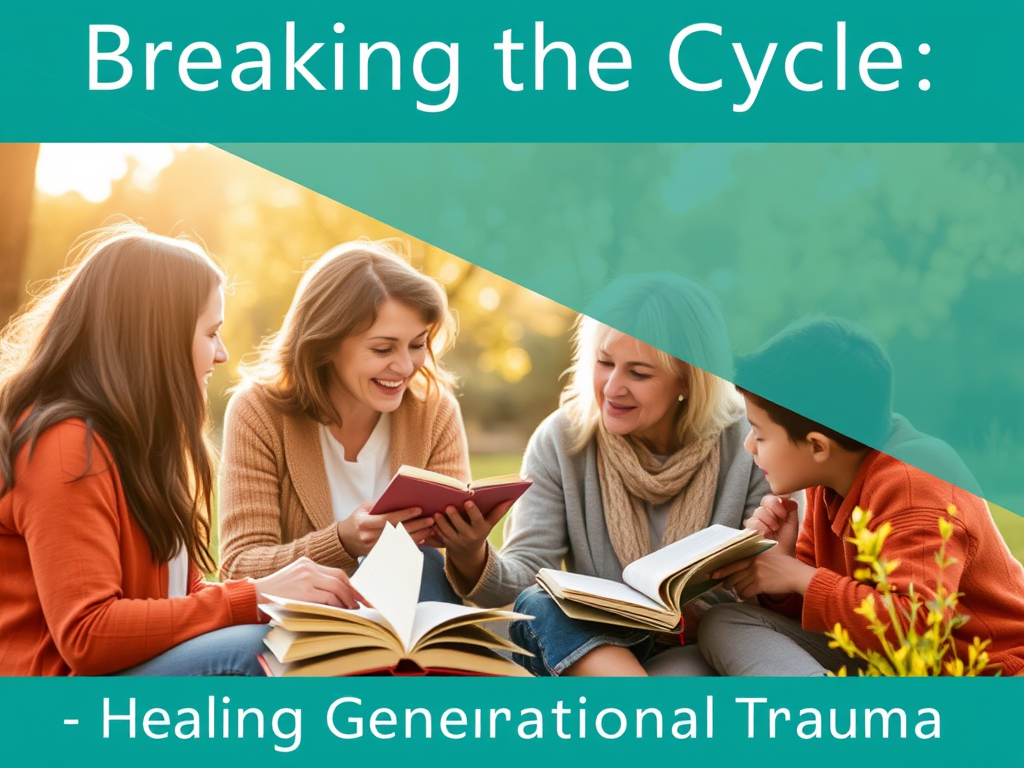
Generational trauma is a quiet force that passes down through families like a hidden legacy.
It’s the unspoken rules, the emotional responses we can’t explain, the pain we carry that doesn’t start with us. Often, we’re repeating patterns inherited from parents and grandparents who did the best they could with what they had.
But healing begins the moment we become aware—and choose to do things differently.
What Is Generational Trauma?
Generational trauma is also known as intergenerational or transgenerational trauma. It refers to the transmission of emotional wounds from one generation to the next.
This can include:
- Emotional neglect or abuse
- Rigid gender roles
- Suppressed emotions
- Fear-based parenting
- Unhealed grief or loss
- Silence around conflict, shame, or mental health
According to research from Dr. Rachel Yehuda, a pioneer in the field, trauma can literally alter the way stress is passed down through generations, affecting both biology and behavior.
But it’s not just in our genes—it’s in our stories, beliefs, reactions, and relationships.
Recognizing the Signs
You might be carrying generational trauma if:
- You have strong emotional reactions that seem bigger than the situation
- You feel responsible for others’ emotions
- You were taught to avoid “negative” emotions
- You struggle with boundaries or people-pleasing
- You see repeated patterns of dysfunction in your family
Becoming aware is the first, brave step. Awareness creates space for compassion—for yourself and for those who came before you.
One Conversation at a Time
Healing generational trauma doesn’t need dramatic confrontations. Often, it starts with small, honest conversations:
- With yourself: “Why did I react that way? What am I feeling?”
- With a partner: “I want to raise our kids differently. Can we talk about how we were raised?”
- With your child: “It’s okay to feel angry. Let’s talk about it.”
- With a parent (if safe and possible): “I’ve been thinking about how our family handles emotions. Can we talk?”
Activities & Practices to Support Healing
- Journaling Prompts
- What messages did I receive about emotions growing up?
- What family patterns do I want to break?
- What kind of parent (or person) do I want to be?
- Create a Family Emotional Tree
- Map out emotional patterns across generations. What themes keep showing up? Anger, silence, guilt, shame, duty?
- Practice Reparenting Yourself
- Give yourself what you didn’t receive as a child. This might be affirmations, rest, boundaries, or emotional validation.
- Affirmations for Breaking the Cycle
- “I am allowed to feel and express my emotions.”
- “I can love my family and still choose a different path.”
- “I am not responsible for healing what others refuse to face.”
- Family Conversations (Age-Appropriate)
- Use books, shows, or real-life moments to model open emotional conversations with your children.
- Seek Therapy or Support Groups
- Talking to a trauma-informed therapist can help you process deeper wounds and set boundaries that stick.
Shifting Intergenerational Patterns
Changing long-held patterns can feel uncomfortable and even lonely.
Family members may not understand or accept your choices. But the work you do today lays the groundwork for future generations.
Small changes matter:
- Letting your child cry instead of shutting it down
- Saying “I was wrong” when you lose your temper
- Expressing your feelings instead of bottling them
- Choosing rest over endless productivity
References & Further Reading
- Yehuda, R. (2015). “Understanding Intergenerational Trauma.” The American Journal of Psychiatry
- van der Kolk, B. (2014). The Body Keeps the Score
- Nakazawa, D.J. (2015). Childhood Disrupted
- Oprah Winfrey & Bruce D. Perry (2021). What Happened to You?
Final Thoughts
Breaking the cycle of generational trauma is one of the most courageous things you can do.
It doesn’t mean rejecting your family. It means choosing to heal so the pain ends with you.
Your willingness to have honest conversations, to feel deeply, and to do things differently is not just healing you—it’s rewriting your family’s legacy.
One conversation at a time. One act of awareness. One moment of compassion. That’s how cycles break. And how healing begins.
Do share your thoughts in the comments!




 EmbraceYourMentalWellbeing
Leave a Reply