

When we think of depression, we often picture sadness, tears, or emotional withdrawal.
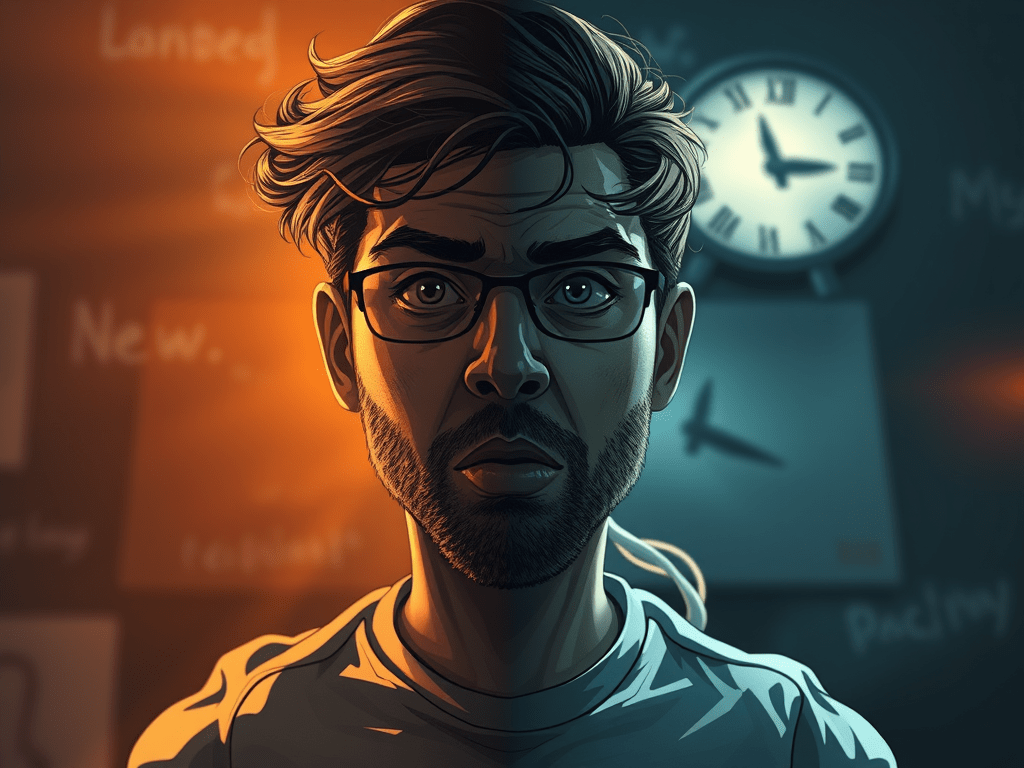
But for many men, depression looks very different. It might appear as irritability, workaholism, aggression, or even complete emotional shutdown.
Unfortunately, these signs are frequently overlooked—not just by others, but by the men themselves.
Why We Don’t Talk About Male Depression
Despite growing awareness around mental health, there remains a significant stigma surrounding depression in men.
Traditional gender roles often paint men as stoic, strong, and emotionally restrained. From a young age, boys are told to “man up” or “don’t cry,” internalizing the idea that expressing emotions is a sign of weakness.
These harmful stereotypes contribute to why male mental health is so underrepresented in conversations around well-being.
Men may feel ashamed to admit they’re struggling, leading them to suppress emotions or cope in unhealthy ways—such as through substance use, risky behaviors, or isolation.
How Depression Manifests Differently in Men
While some symptoms of depression are universal, men often experience and express them differently.
This can make depression in men harder to recognize and diagnose. Common symptoms in men include:
- Increased irritability or anger
- Risk-taking or reckless behavior
- Substance abuse (alcohol or drugs)
- Loss of interest in work, hobbies, or relationships
- Physical symptoms like headaches or digestive issues
- Difficulty concentrating or making decisions
- Fatigue and sleep disturbances
Because these signs don’t fit the traditional image of depression, they often go unnoticed by family, friends, and even healthcare providers.
Why Men Avoid Seeking Help
Studies show that men are significantly less likely than women to seek professional help for mental health issues.
The fear of being judged, labeled as weak, or not taken seriously plays a major role.
In some cases, men may not even recognize that they are dealing with depression. Instead, they attribute their symptoms to stress, burnout, or physical health problems. This delay in recognition and treatment can worsen the condition and lead to serious consequences, including suicidal thoughts.
Breaking the Stigma: How We Can Help
- Normalize conversations around emotions and mental health. Encourage openness without judgment—especially with the boys and men in our lives.
- Challenge harmful gender norms. Let’s redefine what strength means. Seeking help is not weakness—it’s courage.
- Educate yourself and others about how depression in men can look different. Awareness can lead to earlier intervention.
- Support mental health access by making therapy, counseling, and support groups more approachable and less intimidating for men.
- Model emotional expression. As parents, partners, and peers, showing vulnerability ourselves sets a powerful example.
Conclusion: It’s Time to Speak Up
The reality is clear—men suffer from depression, often in silence. But silence doesn’t heal.
By acknowledging the unique ways depression in men presents and addressing the mental health stigma, we take a big step toward a more inclusive and compassionate society.
If you or someone you know is struggling, please remember that help is available. Therapy, support groups, and even a conversation with a trusted friend can be a lifeline.
Let’s break the silence—together.





 EmbraceYourMentalWellbeing
Leave a Reply