In today’s fast-paced, consumer-driven world, clutter has become an almost inevitable part of life.
Our homes are filled with gadgets, clothes we barely wear, papers we never seem to file, and keepsakes from every phase of life. But what many of us don’t realize is that clutter doesn’t just affect our physical environment—it can deeply impact our mental health, too.
Adopting minimalism and decluttering your space can be one of the most powerful emotional detoxes you undertake.
Let’s explore why, with examples, actionable activities, and book suggestions to help you get started.
How Clutter Impacts Mental Health
1. Increased Stress and Anxiety:
Studies from Princeton University Neuroscience Institute have shown that physical clutter competes for your attention, resulting in decreased performance and increased stress.
2. Overwhelm and Decision Fatigue:
Too many possessions can lead to a constant need to make decisions, draining mental energy and leading to decision fatigue.
3. Sleep Disruption:
A cluttered environment can make it difficult for the brain to wind down at night, affecting your ability to sleep peacefully.
4. Lower Self-Esteem:
Living in disorganized spaces often leads to feelings of guilt and embarrassment, impacting overall self-worth.
5. Emotional Attachment:
Keeping unnecessary items can sometimes be tied to unresolved emotions, creating subconscious emotional burdens.
The Mental Health Benefits of Decluttering
1. Creates Mental Clarity:
Clearing your physical space helps clear your mind. When your environment is organized, your thinking becomes sharper and more focused.
2. Reduces Anxiety and Depression:
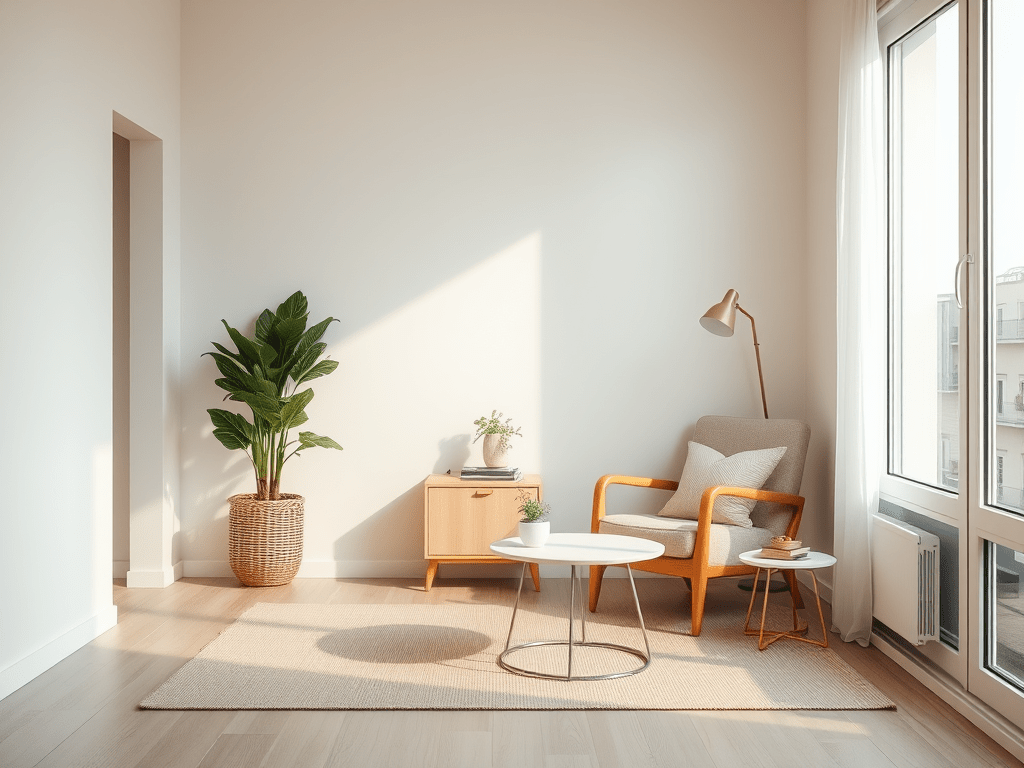
Simplified surroundings create a calming atmosphere that can significantly lower anxiety and even mild depression.
3. Enhances Productivity:
With less visual “noise,” your brain can prioritize tasks better, making you more productive and motivated.
4. Fosters Emotional Healing:
Letting go of old, unnecessary possessions can help you process unresolved emotions, creating room for emotional growth.
5. Promotes a Sense of Accomplishment:
Each space you organize gives a tangible sense of achievement, boosting self-esteem and confidence.
Practical Activities for Decluttering Your Space and Life
1. The “One Room at a Time” Method
- Focus on decluttering one room or area each week.
- Ask: “Have I used this in the past year? Does this bring me joy?”
2. The 20/20 Rule (from The Minimalists)
- If an item can be replaced for less than $20 and in less than 20 minutes, it’s okay to let it go.
3. Emotional Check-In
- As you handle each item, notice your emotional response. If it brings sadness, guilt, or anger, ask yourself if keeping it is serving you.
4. Create a “Maybe Box”
- Unsure about letting go of certain items? Place them in a box. If you don’t retrieve them in 30 days, donate them.
5. Mindful Consumption Challenge
- For 30 days, commit to buying only essentials.
- Keep a journal reflecting on how less consumption affects your mood and stress levels.
Book Suggestions to Inspire Your Decluttering Journey
1. “The Life-Changing Magic of Tidying Up” by Marie Kondo
Learn the “KonMari Method” of keeping only what sparks joy.
2. “Goodbye, Things” by Fumio Sasaki
A candid, relatable journey of a regular person who transformed his life by embracing minimalism.
3. “The More of Less” by Joshua Becker
Focuses on the benefits of owning less and creating space for what really matters.
4. “Essentialism” by Greg McKeown
Learn how doing less, but better, can help you live a more fulfilling, stress-free life.
5. “Soulful Simplicity” by Courtney Carver
A compassionate approach to simplifying your space, your schedule, and your mindset.
Conclusion
Decluttering isn’t just about creating pretty, Pinterest-worthy spaces.
It’s about emotional clarity, mental peace, and reclaiming your life from chaos. Think of minimalism as a gift to yourself—an ongoing emotional detox that creates room for joy, creativity, and true well-being.
Start small. Pick one drawer, one closet, one morning. With every item you release, you’re letting go of a little bit of the emotional weight you’ve been carrying.
Your mental health deserves a space that feels as peaceful and free as you want to feel inside.
Ready to start your decluttering journey? Share your first step with us in the comments below!
Do not where to start?


 EmbraceYourMentalWellbeing
Leave a Reply