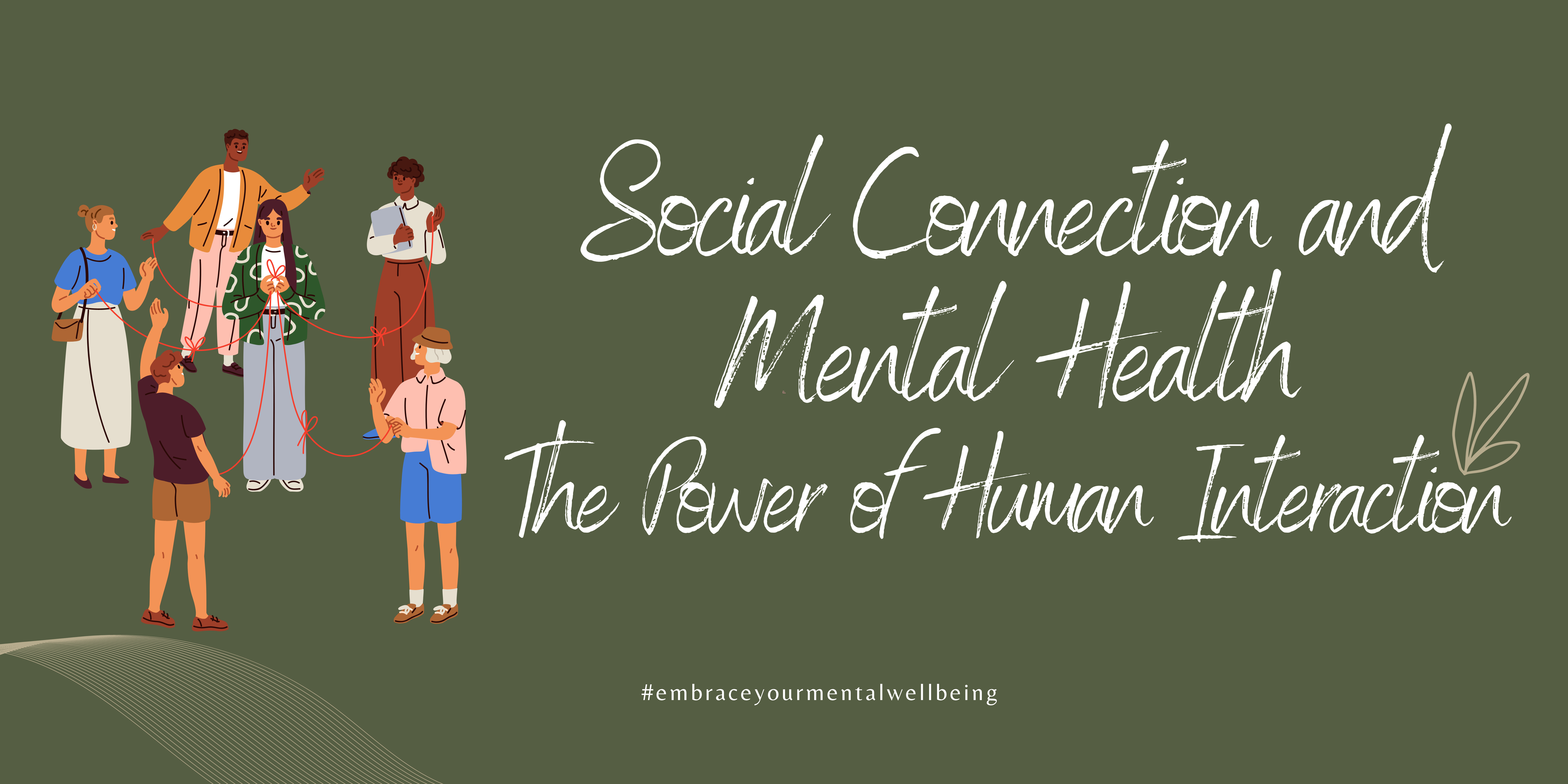
Social connection is not measured only by how many people are in your contacts or how often you go out. A useful question is whether you have relationships in which you can give or receive support, share ordinary moments, and feel reasonably understood. The CDC distinguishes social connection from loneliness: connection describes the structure and quality of relationships, while loneliness is the felt experience of being alone or not close to others.
Someone can feel lonely while surrounded by people, or enjoy substantial time alone without feeling lonely. Work schedules, caregiving, moving, illness, disability, language barriers, discrimination, and life changes can all affect opportunities for connection. This is not a personal failing, and a video call, text exchange, shared activity, or in-person visit can all be meaningful depending on the people involved.
What kind of connection would help?
Before making a plan, name the kind of support you want. This makes it easier to ask clearly and helps avoid expecting one person to meet every need.
- Emotional support: someone listens without immediately trying to fix the problem.
- Practical support: help with a task, a lift, a meal, or figuring out a next step.
- Shared activity: doing something alongside another person, such as walking, cooking, gaming, or attending a group.
- Low-pressure contact: a short message or check-in that keeps a relationship warm without requiring a long conversation.
A small connection plan for this week
- Choose one person or place. Think of someone you feel safe contacting, or a recurring community space that interests you. If no one comes to mind, consider a local library, class, peer group, cultural association, or volunteer opportunity.
- Make one specific invitation. For example: “Would you like to take a short walk this weekend?” or “Could we talk for ten minutes sometime this week?” Offer a remote option if travel or energy is a barrier.
- Say what would be useful. “I don't need advice right now; could you listen?” or “I'm overwhelmed. Could you help me choose one task to start?”
- Notice how the interaction felt. Did you feel respected and able to be yourself? Adjust the setting, timing, or person if needed. Connection should not require tolerating unsafe or harmful treatment.
- Repeat at a sustainable pace. A brief regular check-in may be more realistic than a large social commitment. If the first attempt does not work, that is information, not proof that connection is impossible.
When loneliness needs more support
If loneliness is persistent, distressing, or affecting sleep, mood, or daily responsibilities, consider talking with a qualified health professional. Social contact can support well-being, but it is not a replacement for mental-health care. The CDC's Community & Connection resource links to further information and support resources.
Source: Centers for Disease Control and Prevention, Community & Connection.