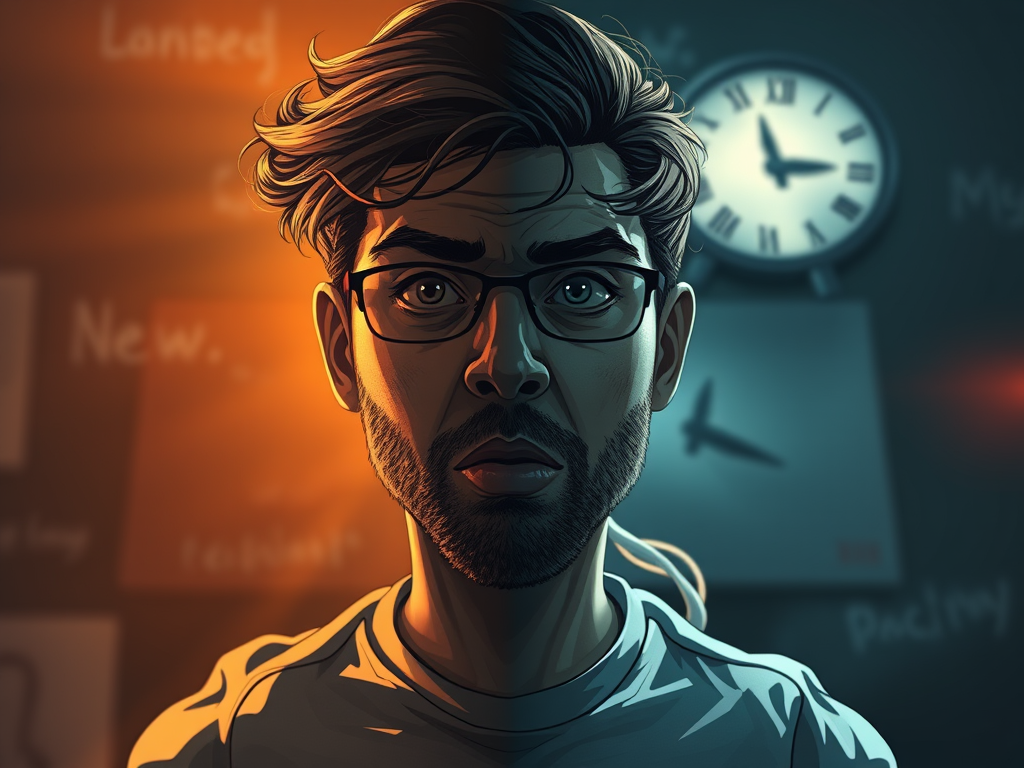
For many people, holidays are painted as joyful, loud, and full of togetherness. Smiling families. Big meals. Endless celebrations.
But here’s the thing, most people don’t say out loud.
Holidays can be emotionally exhausting.
While the world talks about cheer and gratitude, many people feel stressed, overwhelmed, lonely, or quietly sad. Some feel pressure to perform happiness. Some dread family gatherings. Others feel the weight of expectations they can’t meet. And some don’t even know why they feel low, only that they do.
If you’ve ever felt anxious before a holiday, relieved when it ended, or guilty for not enjoying it “enough,” you’re not broken. You’re human.
Let’s talk about why holidays can be hard, and more importantly, how to protect your mental wellbeing during them.
Holiday Sadness Is Real
Holiday-related stress and sadness are often dismissed because they don’t fit the cheerful narrative. People are told to be grateful. To enjoy the break. To make the most of family time.
But emotions don’t follow calendars. For some, holidays highlight what’s missing rather than what’s present. For others, they bring unresolved family dynamics to the surface. And for many, the pressure to meet emotional, social, and financial expectations becomes overwhelming.
What makes it harder is the silence around it. When everyone else seems happy, feeling low can feel isolating. You may wonder, “What’s wrong with me?”
The answer is usually simple. Nothing.
Why Holidays Can Trigger Stress and Sadness
- The Pressure to Be Happy - Holidays come with an unspoken rule: you should feel joyful.
When you don’t, it creates emotional conflict. You may feel guilty, ashamed, or frustrated for not matching the mood around you. This emotional mismatch can amplify sadness instead of easing it.
Pretending to be happy is tiring. And emotional exhaustion often shows up as irritability, anxiety, or low mood.
- Family Dynamics and Old Wounds - Family gatherings can reopen old emotional patterns.
Unresolved conflicts, critical relatives, comparisons, or lack of emotional safety often resurface during holidays. Even well-meaning comments can feel triggering when they touch on sensitive topics like marriage, children, career, weight, or life choices.
Being around family can make adults feel like children again, especially if boundaries were never respected in the past.
- Social Expectations and “Performing.” - Holidays often require a lot of social energy: hosting, visiting, dressing up, attending events, and posting happy photos.
For introverts, people with anxiety, or those already emotionally drained, this constant social engagement can feel overwhelming. The pressure to show up, be polite, and engage can push people beyond their emotional capacity. - Financial Stress - Holidays often come with spending expectations: gifts, travel, food, and clothing.
If money is tight, this can create anxiety and shame. People may overspend to keep up appearances or feel inadequate if they can’t meet expectations. Financial stress doesn’t disappear during celebrations. It often intensifies. - Grief, Loss, and Loneliness - Holidays can intensify feelings of grief.
If you’ve lost a loved one, ended a relationship, moved away from home, or feel disconnected, holidays can highlight that absence. Traditions that once brought joy can now bring pain. Even people surrounded by others can feel lonely if they don’t feel emotionally understood.
- Disrupted Routines - Holidays often disrupt sleep, eating habits, exercise, and work routines.
For people who rely on structure for emotional stability, this disruption can lead to mood swings, anxiety, and fatigue. Overeating, lack of sleep, or excessive screen time can quietly affect mental health.
Easy, Gentle Ways to Cope With Holiday Pressure
You don’t need to “fix” the holidays. You need to protect yourself within them.
Here are practical, realistic ways to care for your mental wellbeing.
- Redefine What a “Good” Holiday Means - Let go of the picture-perfect version. A good holiday doesn’t have to be loud, productive, or joyful every minute. It can be calm. It can be quiet. It can include rest.
Ask yourself: What would feel emotionally safe for me this holiday?
Your answer matters more than tradition. - Set Emotional and Physical Boundaries - You’re allowed to say no.
- No to conversations that feel invasive.
- No to events that drain you.
- No to staying longer than you can handle.
Boundaries don’t make you selfish. They make you sustainable. You don’t need to explain your limits to everyone. A simple “I’m not comfortable discussing that” or “I need some time alone” is enough.
- Create Small Anchors of Comfort - Bring familiarity into unfamiliar or stressful situations. This could be:
- A short daily walk
- Listening to calming music
- Journaling for five minutes
- Having a quiet cup of tea alone
- Breathing exercises before social interactions
These small rituals ground your nervous system and give you a sense of control.
- Limit Comparison and Social Media - Holiday content online often shows highlights, not reality. Constantly consuming images of happy families and perfect celebrations can distort your perception and deepen sadness.
It’s okay to take a break from social media. Your mental health doesn’t need to witness everyone else’s curated joy.
- Give Yourself Permission to Feel What You Feel - You don’t have to be cheerful to be worthy. If you feel sad, acknowledge it without judgment. If you feel anxious, don’t rush to suppress it. Emotions need space, not criticism.
Tell yourself: It makes sense that I feel this way.
Self-compassion is one of the most powerful emotional tools during holidays.
- Communicate Your Needs (When It Feels Safe) - If possible, let someone know how you’re feeling. You don’t need a long explanation. Even saying, “Holidays are a bit heavy for me,” can reduce the burden of pretending.
Feeling seen, even by one person, can ease emotional isolation. - Seek Support If the Weight Feels Too Heavy - If holiday sadness turns into persistent hopelessness, panic, or emotional shutdown, professional support can help.
Talking to a therapist or counselor doesn’t mean you’re weak. It means you’re choosing care over silence.
A Gentle Reminder
Holidays are not a measure of your worth, your relationships, or your emotional health.
It’s okay if this season feels complicated. It’s okay if joy and sadness coexist. And it’s okay if you need to step back and prioritize your mental wellbeing.
You’re allowed to experience holidays in a way that protects your peace, even if it looks different from everyone else’s.
At Embrace Your Mental Wellbeing, we believe that emotional honesty matters more than forced happiness.
And sometimes, the bravest thing you can do during the holidays is be kind to yourself.