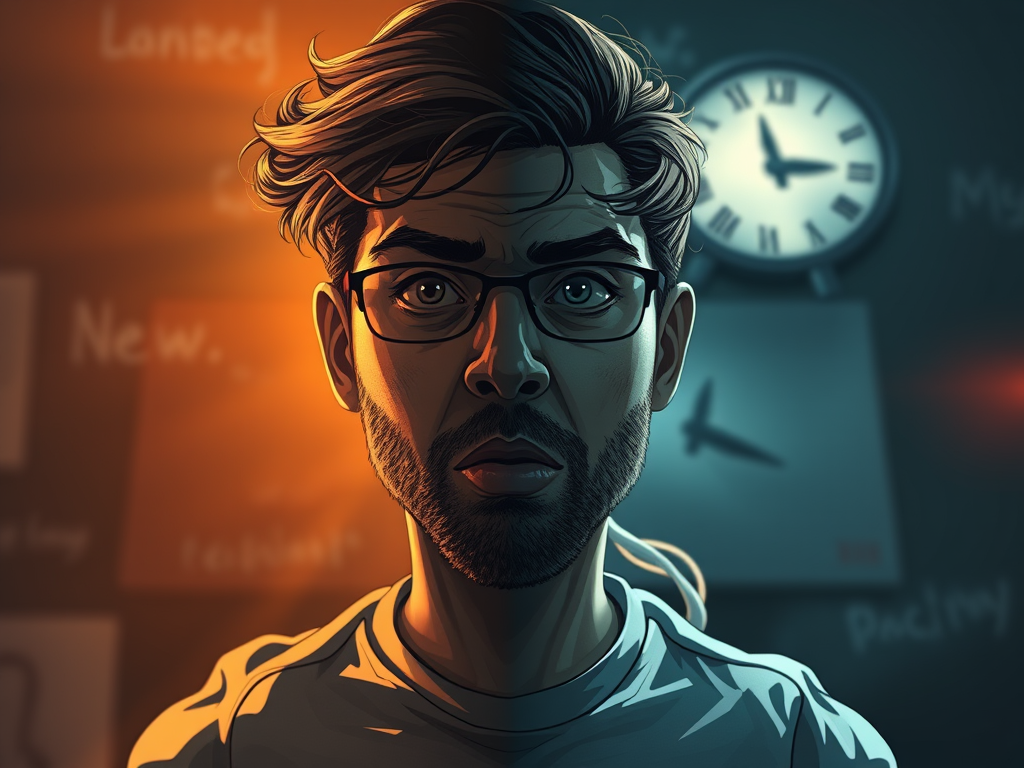
Every new year arrives with a familiar message: this is your chance to fix everything.
Eat better. Wake up earlier. Be more disciplined. Achieve more. Become better.
On the surface, New Year's resolutions sound hopeful. But for many people, they become a source of stress, self-criticism, and quiet disappointment. By mid-January or early February, most resolutions are already abandoned. And instead of motivation, what remains is guilt.
People don’t just drop the goal. They start questioning themselves.
“Why can’t I stick to anything?”
“Everyone else seems to manage.”
“Maybe I’m just lazy.”
Here’s the truth that rarely gets said: the problem is not you. The problem is how we approach resolutions.
Resolutions Often Hurt Mental Health
New Year resolutions are often created in an emotional rush. The calendar changes, and suddenly, we expect our habits, mindset, energy, and discipline to change with it.
There is pressure to start fresh. Pressure to improve. Pressure to prove something to ourselves or others.
When these expectations are unrealistic, failure feels personal. And that sense of failure can trigger anxiety, low self-esteem, and emotional burnout.
What was meant to inspire growth ends up reinforcing the belief that we’re never doing enough.
That’s not motivation. That’s mental overload.
Why New Year Resolutions Usually Fail
- They Are Built on Pressure, Not Readiness - Most resolutions are made because of social or internal pressure, not because the person is emotionally or practically ready.
You might set a goal because:- Everyone else is doing it
- You feel behind in life
- You’re unhappy and want a quick fix
- You feel guilty about past choices
Goals built on pressure rarely last. Change needs capacity, not force.
- They Are Too Big and Too Vague -
- “Lose weight.”
- “Be more productive.”
- “Fix my life.”
These goals sound powerful but lack clarity. Without specific steps, the brain feels overwhelmed. When you don’t know where to start, you procrastinate. And procrastination quickly turns into self-blame.
Big goals without structure create mental fatigue before progress even begins.
- We Underestimate How Hard Change Really Is - Changing habits means changing neural patterns, routines, and emotional coping mechanisms. That takes time.
Most people expect motivation to stay high throughout January. When it naturally drops after a few weeks, they assume something is wrong with them.
In reality, motivation always fluctuates. Sustainable change depends on systems, not willpower.
- We Tie Self-Worth to Success or Failure - This is one of the most damaging aspects of resolutions.
When a resolution fails, people don’t just think, “This plan didn’t work.” They think, “I failed.”
That inner narrative is heavy. It creates shame instead of learning. Over time, repeated failed resolutions can make people avoid setting goals altogether or feel anxious about self-improvement.
- Life Doesn’t Pause for Your Resolution - Work stress, family responsibilities, health issues, emotional ups and downs… life continues.
Resolutions often don’t account for real-world interruptions. When life gets messy, the goal collapses, and guilt takes over.
Rigid goals don’t survive real life. Flexible ones do.
A Healthier Approach: Replace Resolutions with Small, Achievable Goals
What if the goal of the new year wasn’t to transform yourself but to support yourself?
Instead of asking, “What should I become?” ask:
“What can I realistically do that supports my mental wellbeing?”
Small goals may look unimpressive on paper, but they are powerful for the brain. They build confidence, momentum, and emotional safety.
Easy Remedies to Cope With Resolution Pressure
- Stop Using January as a Deadline - Growth is not seasonal. You don’t need to start everything on January 1st. You don’t need a new year to begin again. Removing the deadline reduces pressure and allows goals to grow naturally.
You’re allowed to move at your own pace.
- Shift From Outcome Goals to Process Goals - Instead of: “I will lose 10 kilos.” Try: “I will walk for 15 minutes three times a week.”
Process goals focus on actions you can control. They reduce anxiety and increase consistency.
Each completed action gives your brain a sense of achievement, which boosts motivation.
- Create Goals That Fit Your Current Life - Be honest with yourself. If you’re already exhausted, a goal that requires high discipline will fail. That doesn’t mean you lack willpower. It means your energy is limited.
Ask: What is realistic for me right now?
A goal that fits your current capacity builds trust in yourself.
- Break Goals Into Micro-Steps - Small goals work because they don’t overwhelm the nervous system.
Instead of: “I will meditate every day for 30 minutes.”
Try: “I will sit quietly and take five deep breaths once a day.”
Consistency matters more than intensity. Small steps create stability and reduce the fear of failure.
- Redefine Success - Success doesn’t mean perfection. Success can mean:
- Showing up even once
- Trying again after a break
- Not quitting because of one bad week
- Choosing rest when needed
When success is flexible, your mental health stays intact.
- Check Your Inner Dialogue - Notice how you talk to yourself when you miss a goal. If your inner voice sounds harsh, your motivation will disappear. Self-criticism does not create discipline. It creates avoidance.
Replace: “I’m useless, I can’t stick to anything.”
With: “This approach didn’t work. What can I adjust?”
Kind self-talk keeps you engaged instead of defeated.
- Choose Satisfaction Over Impressiveness - You don’t need goals that look good to others. You need goals that make you feel calm, capable, and grounded. Mental satisfaction comes from:
- Completing small tasks
- Feeling in control
- Honoring your limits
- Building trust with yourself
That quiet confidence lasts longer than dramatic resolutions.
A Final Thought
You are not a project that needs fixing every January.
You are a human being who deserves realistic goals, self-compassion, and room to grow without pressure.
If New Year's resolutions have made you feel like a failure in the past, let this year be different. Choose small, achievable goals that support your mental wellbeing, not punish it.
Progress that feels kind is the only kind that lasts.
At Embrace Your Mental Wellbeing, we believe growth should feel supportive, not stressful. And sometimes, the healthiest resolution you can make is to stop being so hard on yourself.