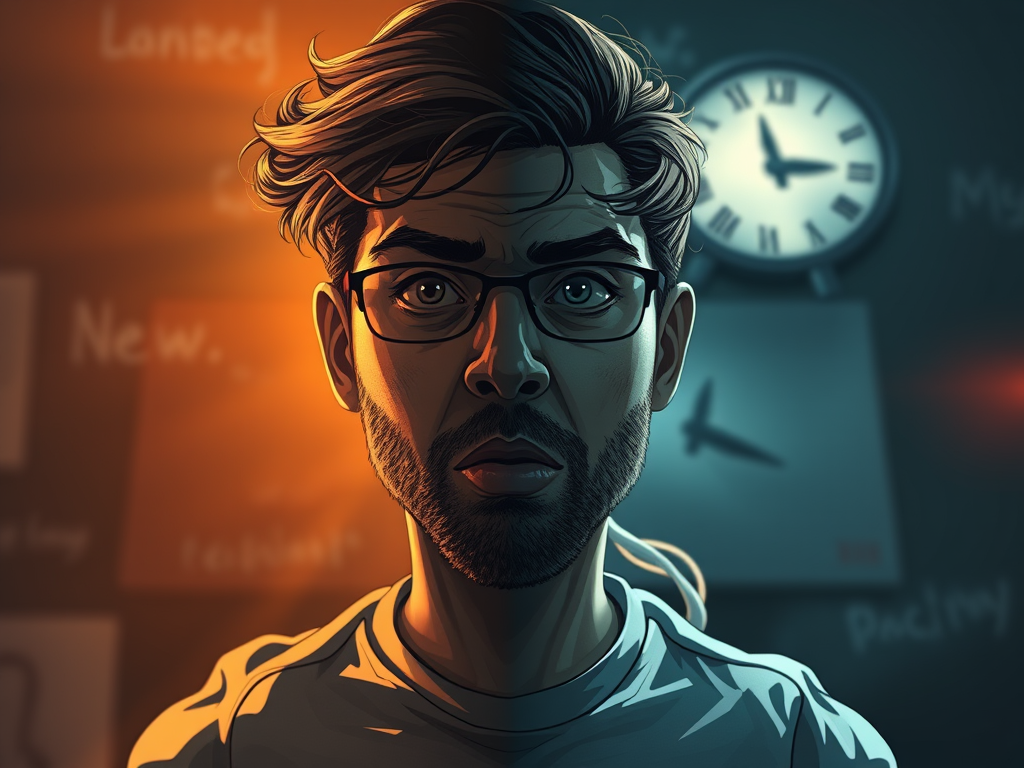
In today's fast-paced world, anxiety has become a common companion for many individuals aged 18 to 40.
The spectrum of anxiety disorders is vast, encompassing various forms that can significantly impact one's daily life. Understanding the nuances of these disorders is crucial for effective management and improved mental well-being.
Types of Anxiety Disorders:
Generalized Anxiety Disorder (GAD): This is characterized by excessive worry about everyday life events. Individuals with GAD often find it challenging to control their worries, leading to persistent feelings of anxiety.
Panic Disorder: Panic attacks, sudden and intense episodes of fear, mark this disorder. Physical symptoms such as rapid heartbeat, sweating, and trembling accompany these attacks, causing a sense of impending doom.
Social Anxiety Disorder: People with social anxiety fear judgment and scrutiny in social situations, making it difficult for them to engage in everyday activities. This can range from attending parties to speaking in public.
Obsessive-Compulsive Disorder (OCD): OCD involves persistent, unwanted thoughts (obsessions) and repetitive behaviors or mental acts (compulsions) to reduce anxiety. These rituals can significantly interfere with daily functioning.
Post-Traumatic Stress Disorder (PTSD): Often triggered by a traumatic event, PTSD leads to persistent, distressing memories, flashbacks, and nightmares. Individuals may avoid reminders of the trauma, affecting their overall quality of life.
Treatment Options:
Therapy:
- Cognitive-Behavioral Therapy (CBT): CBT is a widely recognized therapeutic approach for anxiety disorders. It helps individuals identify and challenge negative thought patterns, developing healthier coping mechanisms.
- Exposure Therapy: Particularly effective for phobias and PTSD, exposure therapy involves gradually facing and overcoming feared situations, reducing anxiety over time.
Medication:
- Selective Serotonin Reuptake Inhibitors (SSRIs) and Benzodiazepines: These medications can be prescribed to manage symptoms of anxiety. SSRIs, such as sertraline and fluoxetine, are commonly used for long-term treatment, while benzodiazepines may be prescribed for short-term relief.
Lifestyle Changes:
- Regular Exercise: Physical activity is known to reduce anxiety by releasing endorphins, the body's natural mood lifters.
- Healthy Sleep Habits: Prioritizing quality sleep is crucial, as sleep disturbances can exacerbate anxiety symptoms.
Mindfulness and Relaxation Techniques:
- Yoga and Meditation: Incorporating mindfulness practices into daily routines can promote relaxation and reduce anxiety levels.
Support Groups:
- Community Engagement: Connecting with others who share similar experiences can provide a sense of belonging and understanding, diminishing feelings of isolation.
The journey towards managing anxiety involves a combination of self-awareness, professional support, and lifestyle adjustments. Recognizing the specific type of anxiety disorder and tailoring treatment accordingly empowers individuals to regain control over their lives, fostering a brighter and more resilient mental health landscape.